Alexander Technique at
SINCLAIR STUDIO

Awareness · Ease · Coordination · Posture · Efficiency
-
The Alexander Technique is an educational method that helps people improve posture, movement, and coordination by addressing habitual patterns of tension and effort. It teaches greater awareness of how thinking influences movement, supporting ease, balance, and efficiency in everyday life.
-
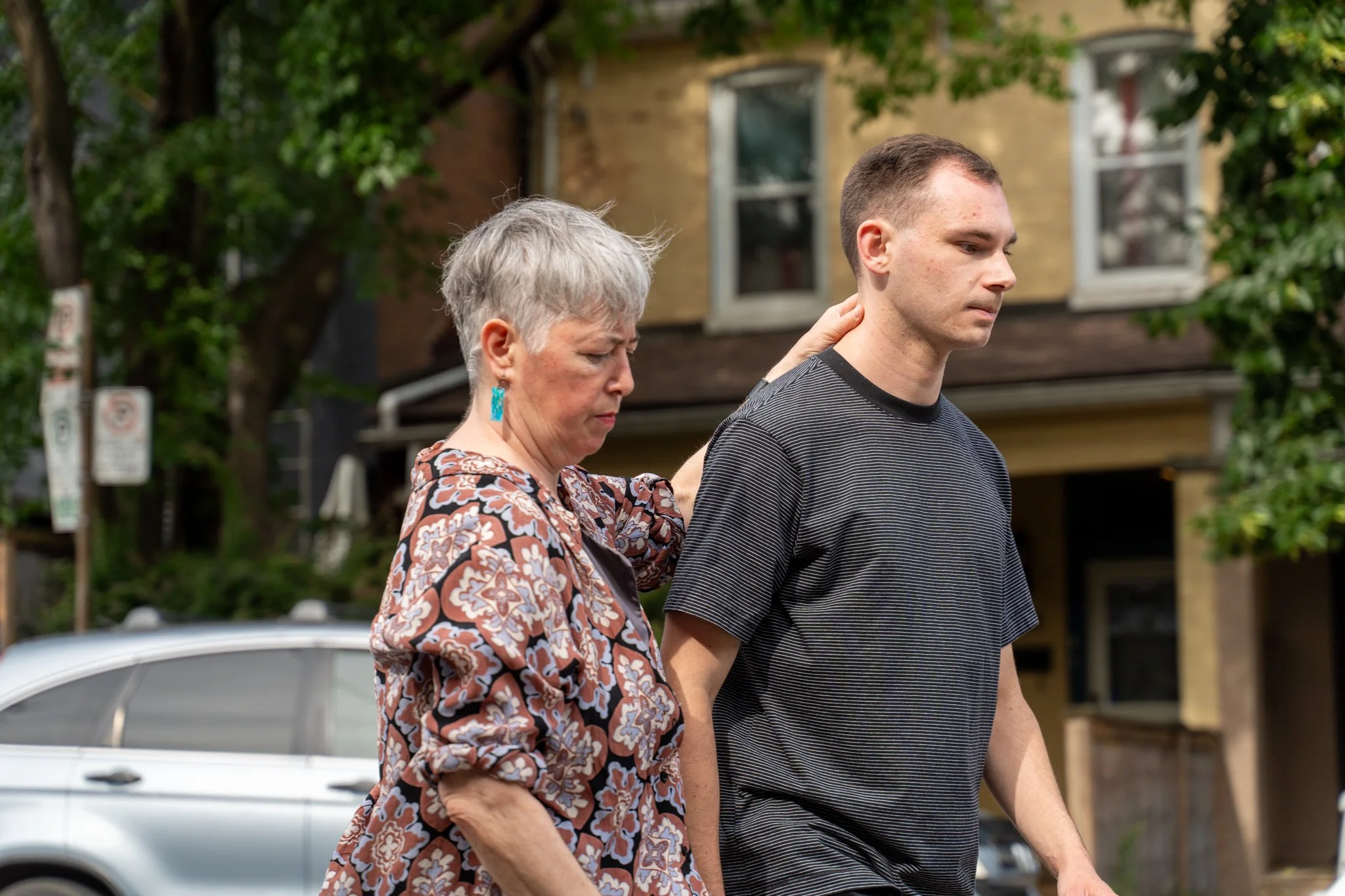
The Alexander Technique can help reduce unnecessary tension, discomfort, and fatigue associated with daily activities such as sitting, standing, walking, and working at a computer. It is often used to support chronic pain management, injury recovery, performance demands, and overall physical wellbeing.
-
Unlike exercise-based systems, the Alexander Technique focuses on how you move rather than what movements you perform. It is an educational process that develops awareness and coordination, and can complement practices such as Pilates, yoga, athletics, and performing arts.
-
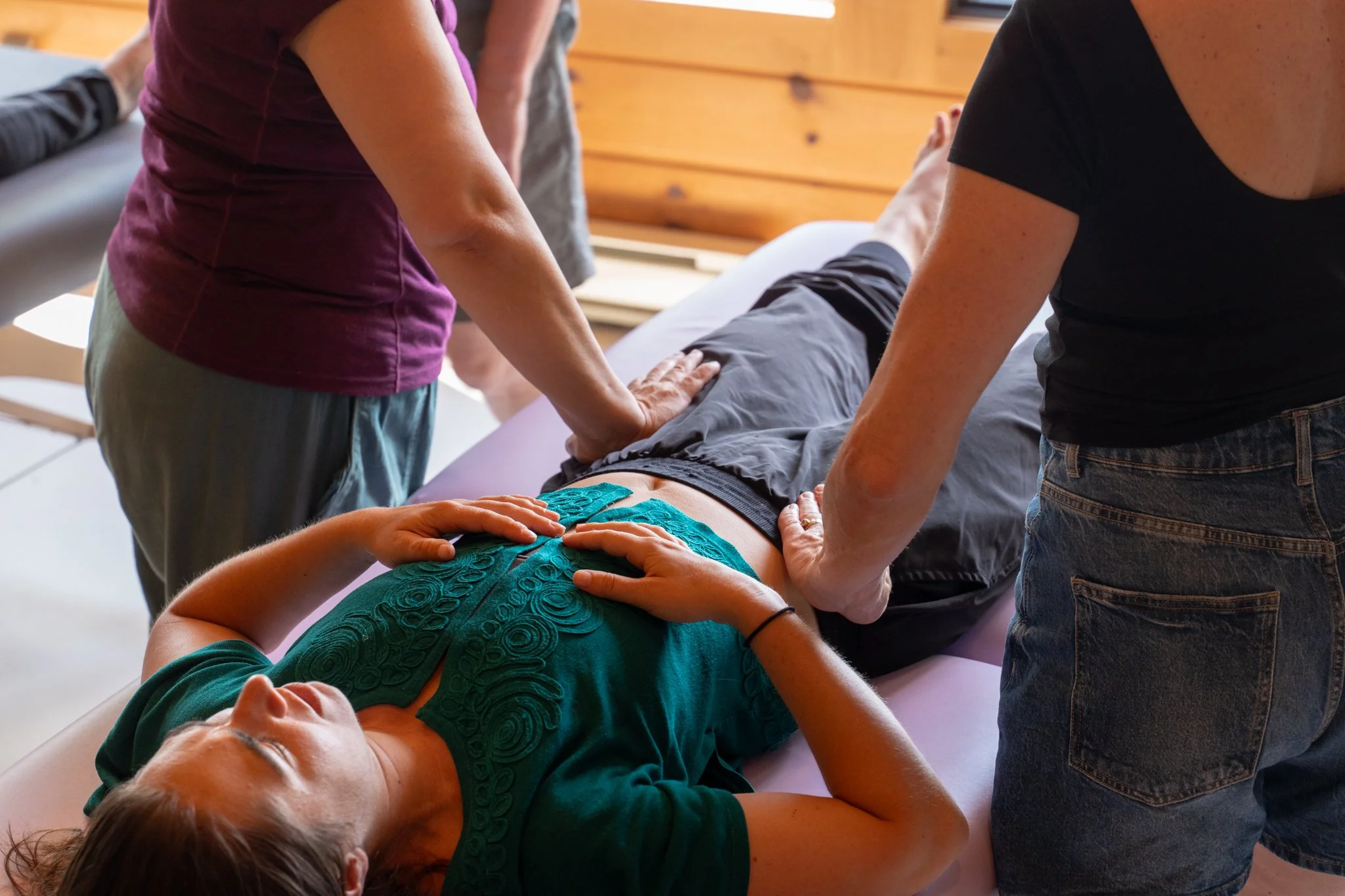
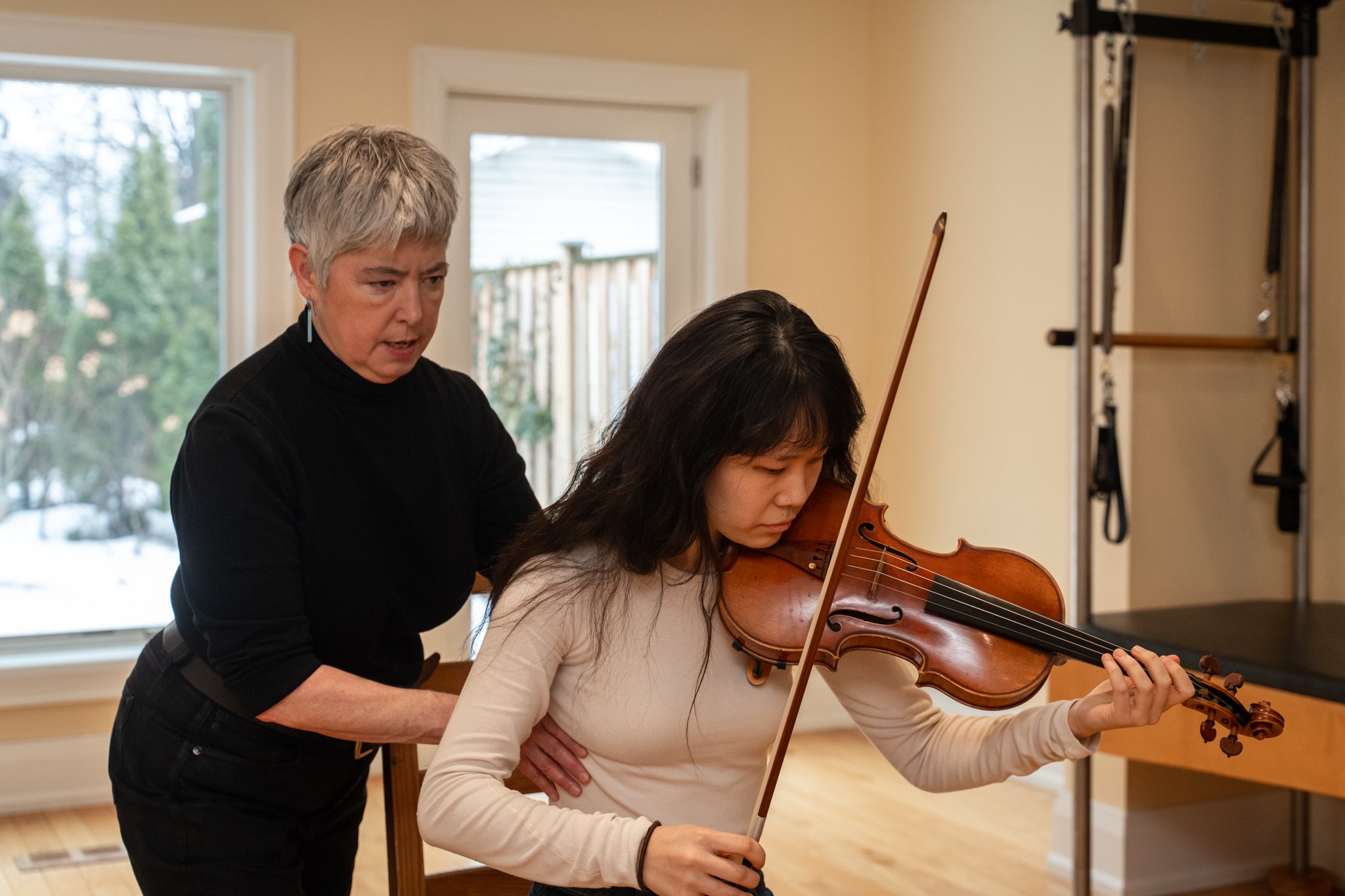
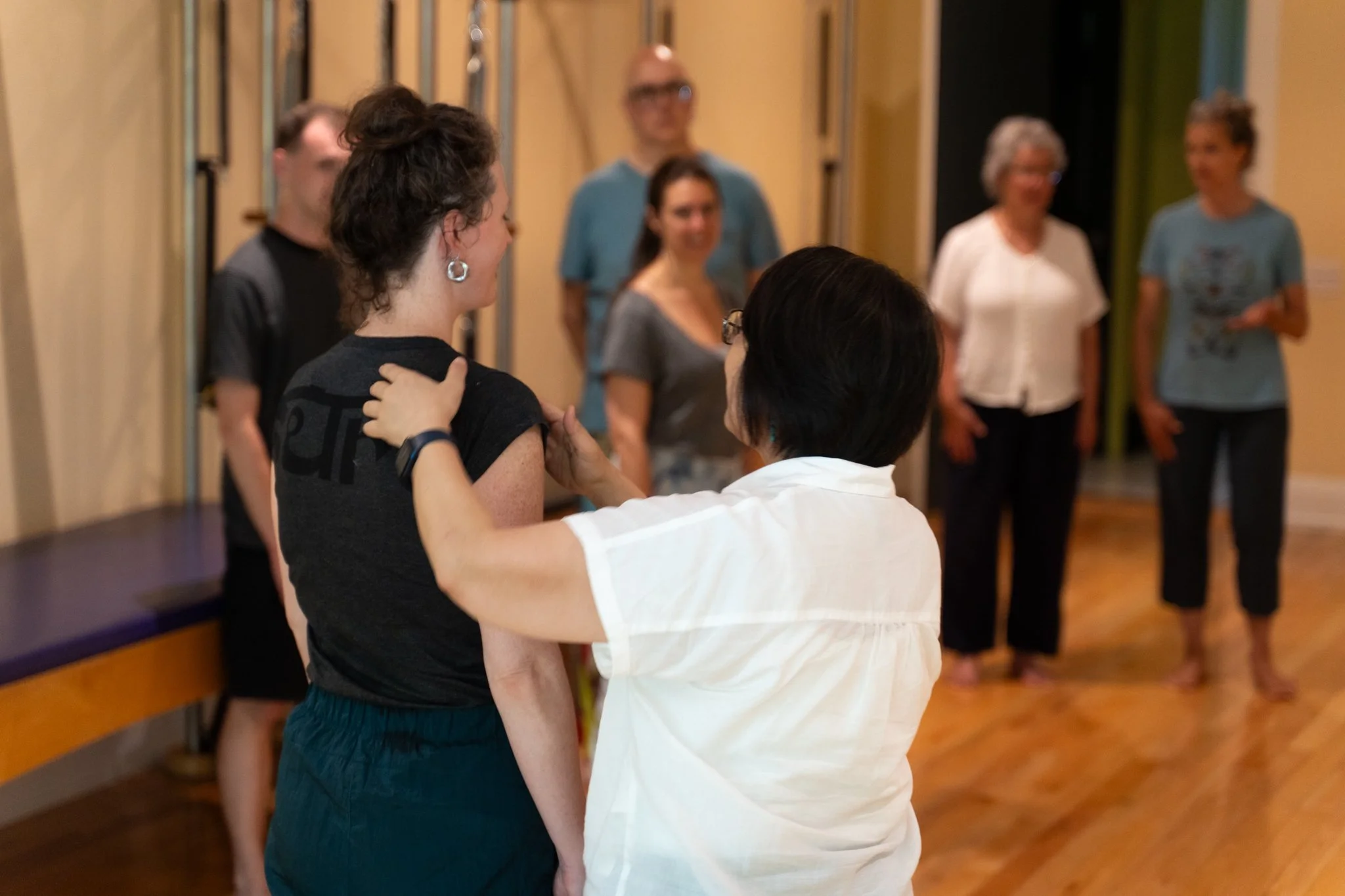
Lessons are individualized and guided by a qualified teacher through verbal instruction, movement exploration, and gentle hands-on guidance. Students learn to recognize habitual patterns and develop more efficient, organized movement in activities relevant to their daily life or performance needs.
-
The Alexander Technique is suitable for people of all ages and levels of physical ability. It is commonly taught and used in music and acting schools, where students apply it to improve coordination, breathing, and performance under physical and mental demands. It is also valuable for athletes, dancers, and anyone seeking greater ease, balance, and efficiency in everyday movement.
-
The Alexander Technique was developed by F. M. Alexander (1869–1955), an Australian actor who investigated the cause of recurring voice loss during performance. His discoveries led to a lifelong teaching practice and the establishment of the Alexander Technique, which is now taught worldwide and respected across performing arts, education, and healthcare settings.